
McKnight Clinical Translational Research Scholarship Winners
Meet the scholarsThe McKnight scholars represent the best and brightest early career physician scientists, and their projects have been vetted and selected by the American Academy of Neurology’s Science Committee and three Trustees of the McKnight Brain Research Foundation.
Meet the 2026 Scholars
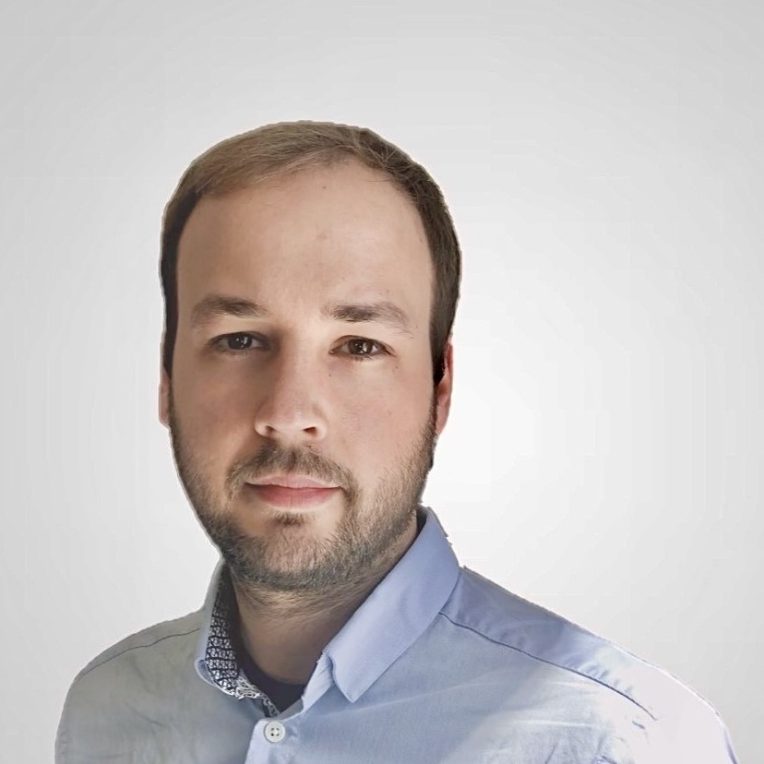
Quentin Devignes, PhD
Medical University of South Carolina
Project: Normal or Not Normal Aging: Does Amyloidosis Play a Role in non-Nerodegenerative Age-Related Memory Loss?
While memory loss is a key aspect of Alzheimer’s disease, it is also important for scientists to understand and be able to contrast how memory loss happens with natural aging. Scientific understanding of “normal” aging does not fully consider previously undetectable neurodegenerative processes, such as amyloidosis in Alzheimer’s disease. This refers to the buildup of beta-amyloid proteins into plaques that cause neurons to die. This process begins long before Alzheimer’s symptoms appear—in some cases, up to two decades earlier.
Dr. Devignes will study cognitively normal older adults who do not have blood biomarkers linked to a neurodegenerative condition. He will investigate the structural integrity of tracts of white matter connecting brain regions used in episodic memory, with the aim of determining whether such changes are natural or the result of neurodegenerative disease.
This research will help determine, for the first time, if amyloidosis affects white matter tract integrity in normal (non-neurodegenerative) aging, and if it plays a role in age-related memory loss and other brain changes among cognitively normal older adults.
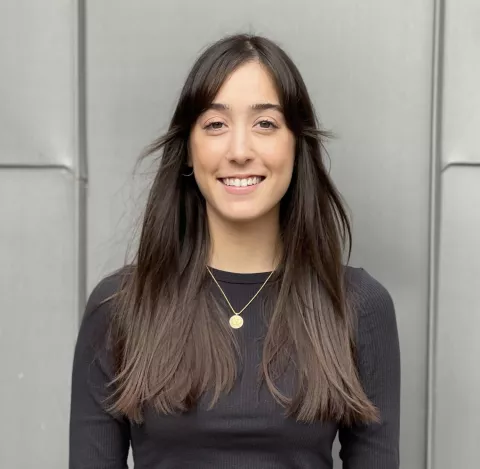
Maria Pia Campagna, PhD
University of California, San Francisco
Project: Investigating How Early Menopause Affects Cognitive Aging and Dementia Rish
If women begin menopause at a younger age, they have a shorter reproductive lifespan (RLS), or the years from beginning menstruation to menopause). They also tend to face a more pronounced decline in cognitive abilities after menopause. Notably, women who undergo surgical menopause, or bilateral oophorectomy (removal of both ovaries—to treat ovarian cancer, endometriosis, and other conditions), before age 45 have a 70% higher risk of dementia. However, the biological mechanism to explain this relationship between earlier menopause and cognitive aging remains unknown.
Dr. Campagna will work to identify the mechanisms that manage this relationship between RLS and cognition through an investigation involving many layers of biological analysis. Working at both the tissue level and cell type-specific level, she will attempt to determine how estrogen affects gene expression in the prefrontal cortex of the brain and the RLS–cognition relationship. Her study will include and account for the differences between women exposed to menopause hormone therapy, commonly called hormone replacement therapy (HRT), and those who were not, as well as those who experienced surgical or spontaneous menopause.
This study could establish a foundation for future research that leads to new therapies to prevent or treat dementia, with or without hormonal interventions. Additionally, it could help to personalize HRT after surgical menopause. Currently, HRT is recommended for women who receive this procedure until they reach age 50, but this study could help to adjust that guidance on an individual basis to reduce the risk of associated cognitive decline.
Past Recipients
2025 Recipient
Giovanna Pilonieta, PhD, DDS
University of Alabama at Birmingham
Project: How Modifiable Health Behaviors Connect to Depression, Anxiety, and Cognitive Function
2025 Recipient
Deborah Rose, MD National Institutes of Health
Project: Traumatic childhood events and age-related cognitive decline in older adults
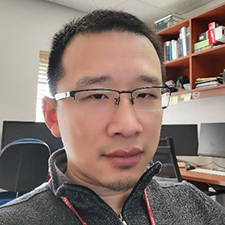
2024 Recipient
Haopei Yang, PhD
Stanford University, Stanford, CA
Project: Investigating age-related memory decline through computational modelling of perceptual changes and preclinical-AD biomarkers
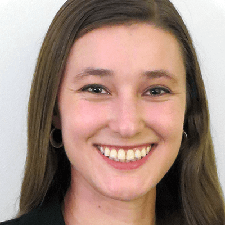
2023 Recipient
Eva Klinman, MD, PhD
Washington University, St. Louis, MO
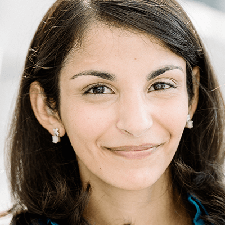
2023 Recipient
Sheena Baratono, MD, PhD
Beth Israel Deaconess Harvard Medical Center, Boston, MA
Project: Using Atrophy Patterns to Better Understand and Diagnose Visuospatial Dysfunction
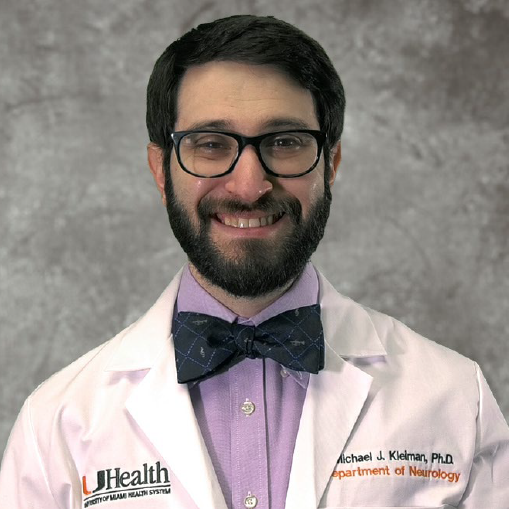
2022 Recipient
Michael Kleinman, PhD
University of Miami Miller School of Medicine, Miami, FL
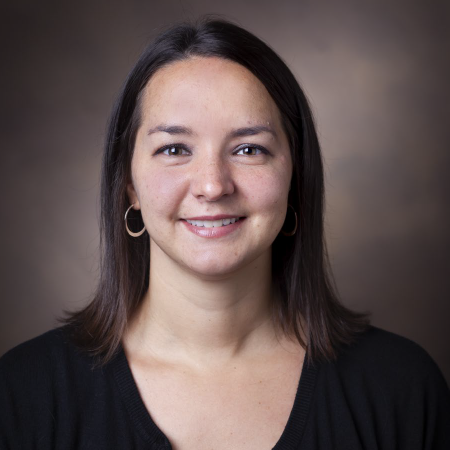
Sarah Szymkowicz, PhD
Vanderbilt University Medical Center, Nashville, TN
Reem Waziry, MBBCh, MPH, PhD
Columbia University, New York, NY
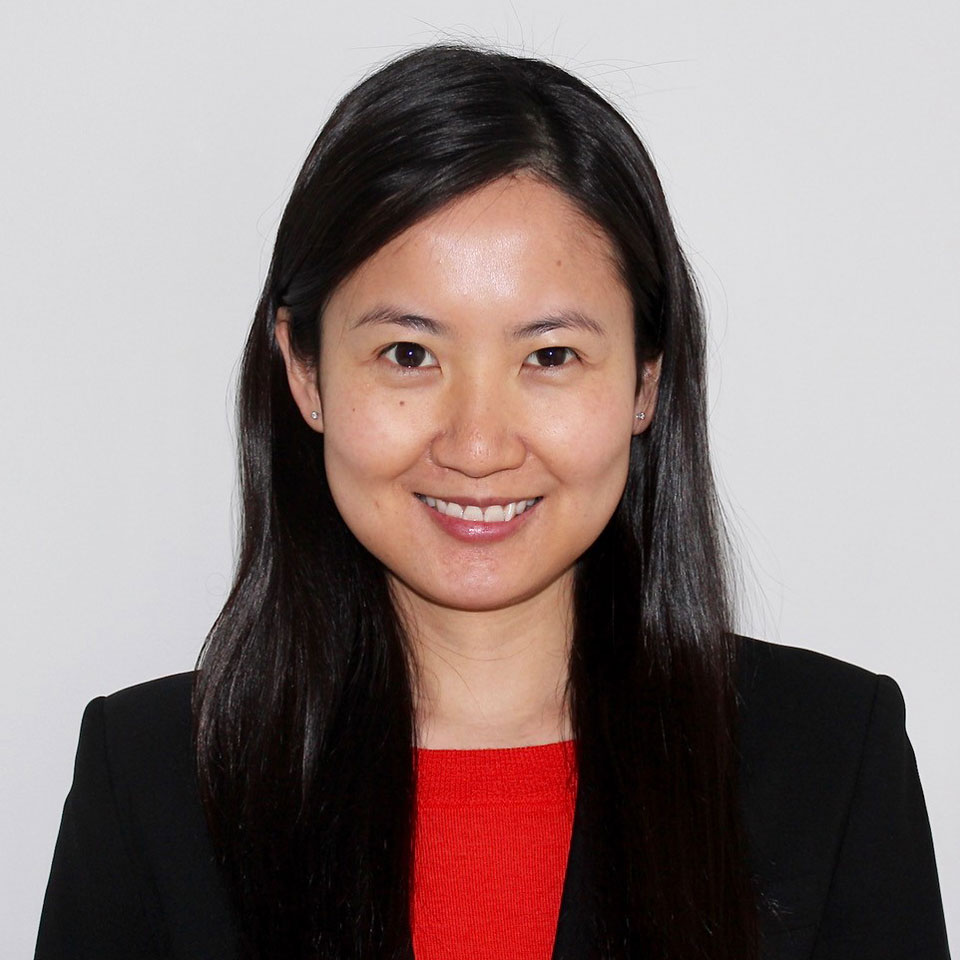
Wai-Ying Wendy Yau, MD
Massachusetts General Hospital, Boston, MA
Bryan Baxter, PhD
Massachusetts General Hospital, Postdoctoral Research Fellow
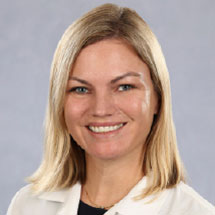
Sarah Getz, PhD
University of Miami Department of Neurology, Instructor of Neuropsychology
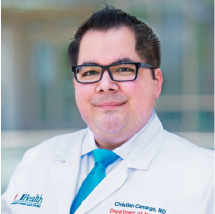
Christian Camargo, MD
University of Miami Department of Neurology, Assistant Professor of Clinical
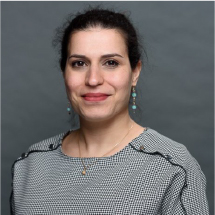
Sanaz Sedaghat, PhD
Northwestern University, Assistant Professor of Clinical Neurology
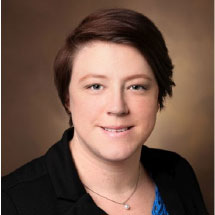
Kimberly Albert, PhD
Vanderbilt University, Research Instructor, Psychiatry and Behavioral Sciences
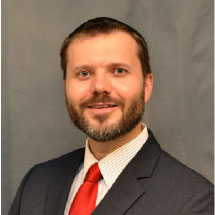
Brice McConnell, MD, PhD
University of Colorado Anschutz Medical Center, Assistant Professor of Neurology