
Leading Scientists Working to Optimize Brain and Cognitive Health Across the Lifespan Came Together in Tucson, Arizona to Discuss Strategies that Work Now and Advancements on the Horizon
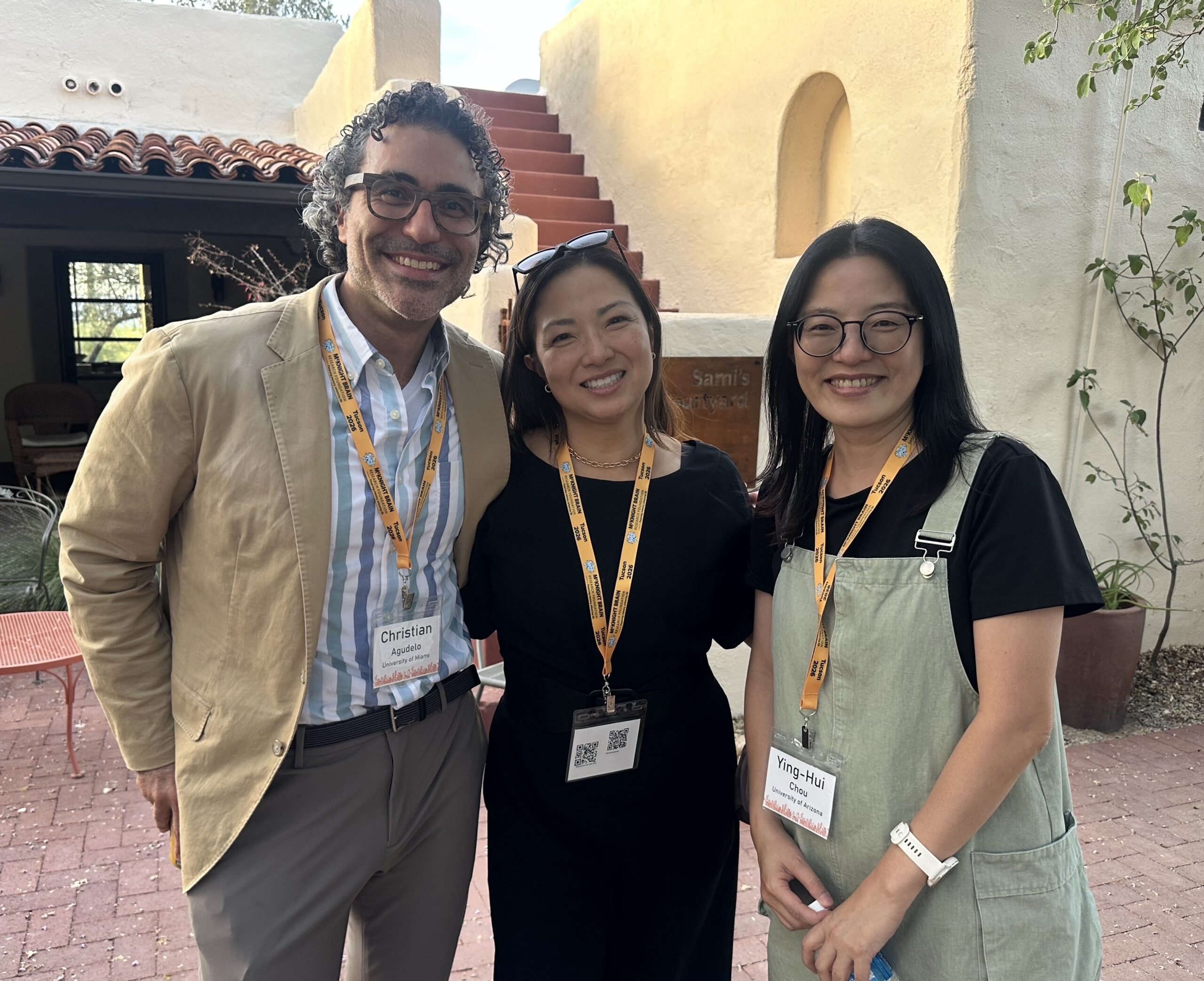
More than 100 researchers, trainees and students who study cognitive aging and age-related memory loss across the four McKnight Brain Institutes (MBI) – at the University of Alabama at Birmingham, University of Arizona, University of Florida and University of Miami – came together in Tucson, Arizona from April 8-10 for the McKnight Brain Research Foundation’s (MBRF) 17th Inter-Institutional Meeting. New this year, ten current and past recipients of the MBRF’s Clinical Translational Research Scholarship and Innovator Awards also attended the meeting.
Focused on the theme of “Optimizing Brain and Cognitive Health: What Works Now and What is on the Horizon,” the meeting was an opportunity for collaboration and community building as investigators supported by the MBRF shared updates on the state of cognitive aging science.
The meeting opened with a panel on nutrition led by keynote speaker Sarah Booth, PhD, a Senior Scientist on Diet and the Aging Brain at Tufts University. Framing her talk around fact versus fiction in aging and nutrition, Dr. Booth noted that while nutrition plays a role in brain aging, it is often oversimplified. For example, headlines often link single “superfoods” or nutrients to brain health despite limited evidence. She described three categories of nutrition claims: robust, well-supported findings; promising but incomplete evidence; and overclaimed or unsupported conclusions. Her message underscored the need for more responsible communication, reflecting the strength and complexity of the science while still offering practical, evidence-based guidance.
Miranda Orr, PhD, an Associate Professor of Neurology at Washington University School of Medicine, led a panel looking at senolytics, an emerging class of drugs that clear “senescent” cells, or damaged cells that stop functioning properly, but resist dying. These cells accumulate with age and can drive chronic inflammation by releasing harmful signals that damage nearby tissue, including the brain. Chronic inflammation is increasingly recognized as a key contributor to cognitive decline and dementia.
Dr. Orr’s research examines how cellular senescence may contribute to brain aging and neurodegenerative processes. Preclinical studies have shown that clearing senescent cells can delay the onset of disease-related changes, and early-stage clinical studies are underway to evaluate the safety and potential efficacy of senolytic therapies in humans.
A third panel, led by Quiting Wen, PhD, Assistant Professor of Radiology and Imaging Sciences at Indiana University School of Medicine, focused on neurostimulation and brain clearance pathways as a potential new frontier in promoting cognitive health. Her work examines how the brain clears waste through the glymphatic system, the network of vessels that clears waste from the central nervous system, mostly during sleep. Using advanced imaging techniques to study this process in humans, Dr. Wen and colleagues are investigating how aging may alter this clearance system and whether modulating it could help maintain brain health over time.
The meeting also included MBI-led presentations on MBRF-funded collaborative pilot projects across the four MBIs, a Data Blitz session and report outs from the three meeting working groups, which focus on precision aging, neuromodulation and artificial intelligence.
Dr. Carol Barnes, Director of the Evelyn F. McKnight Brain Research Institute at the University of Arizona, concluded the meeting by thanking her staff and the McKnight Brain Research Foundation for its more than 25-year commitment to championing cognitive aging research. With partners including the four McKnight Brain Institutes, the McKnight Brain Research Foundation has funded more than $200 million in research on cognitive aging and age-related cognitive decline since its founding in 1999.
Next year’s meeting will take place at the University of Alabama at Birmingham from April 14-16, 2027.


